
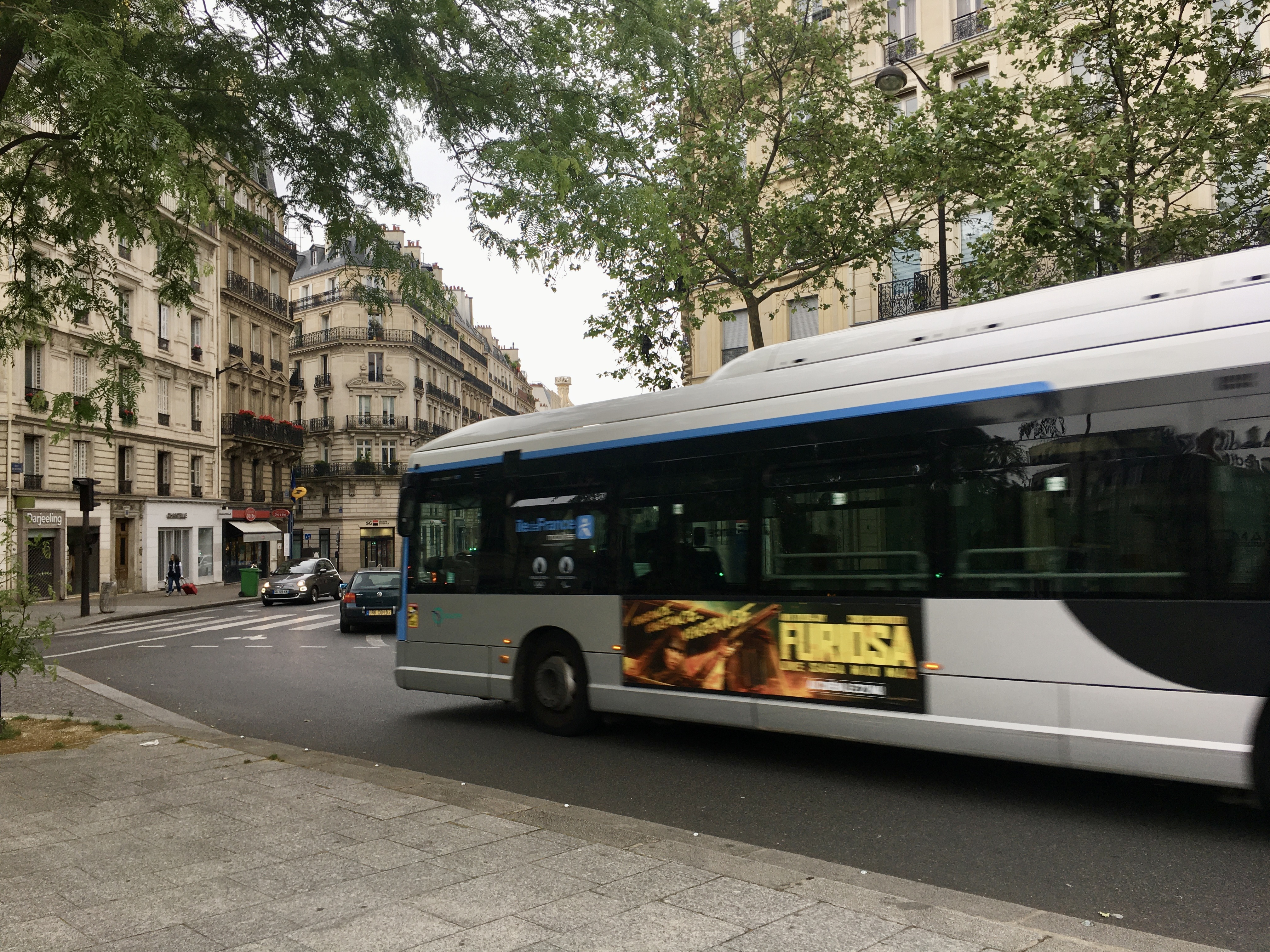
Making My Peace … with transport noise
Noise generates costs to individuals – costs incurred to reduce noise and costs incurred to treat health conditions caused by excessive and debilitating noise. Noise, in this context, is defined as the perception of unpleasant, unwanted, unintentional or harmful sounds that cause disturbances. Noise, including ambient noise, is the new ‘second-hand smoke’ declared the organisation The Quiet Coalition in an article for the Proceedings of Meetings on Acoustics in America.
In 2018, the World Health Organisation (WHO) declared noise as an environmental factor causing the most health damage to humans, second to air pollution. Around 20% of the European population (over 100 million people) are chronically exposed to noise levels harmful to their health. In 2021, WHO estimated that more than a million years of healthy life is lost annually in Western Europe alone due to noise pollution.
In France in 2024, the National Noise Council – Conseil National du Bruit (CNB) – and the Agency for Ecological Transition – l’Agence de la Transition Ecologique (ADEME) – estimated that the social cost of noise pollution is €147 billion a year. They commissioned studies to assess the social cost of noise in France – costs that mostly French citizens are incurring.
They took two types of costs into account:
- Market costs (directly quantifiable expenses), which represented 14% of the social cost of noise.
- Non-market costs (estimated by the valuation of years of healthy life lost and premature mortality due to noise), which represented 86% of the social cost of noise.
Three areas of life – three noise sources – were examined: transport, neighbourhood, and the workplace.
The social cost per noise source included the following:
- Transport noise:5% of the social cost – with 54.8% being road noise, 7.6% being rail noise, and 4.1% being air noise.
- Neighbourhood noise:9% of the social cost – comprising 12.1% of the noise emitted by individuals, 3.6% from construction noise, and 2.2% of noise generated in the environment by professional activities.
- Workplace noise:2% of the social cost – equally about 4.7% from three sources: industrial, school, and hospital environments.
- Cross-cutting expenditure:4% of the social cost – the cost of monitoring, information, research, and studies).
ADEME published its first study on the social cost of noise in 2016 and estimated it at €89.7 billion a year in France. The 2024 figure of €147 billion a year represents a significant increase of 63.9% over the past 8 years.
Health was a major consideration of the studies.
- Noise causes discomfort, sleep disturbance, cardiovascular disease (heart failure, stroke, aneurysm, and sudden cardiac arrest), obesity, diabetes, mental health disorders, learning difficulties, reliance on medication, hospitalization, occupational diseases, and accidents.
- Non-health effects induced by noise include loss of work productivity, creative decline, and property depreciation.
What is needed, they say, is a convergence of noise, climate, air, and energy improvements to make everyone’s life healthier, less stressed, less painful, more productive, more creative, and generally happier.
So, if your health, including mental health, feels fragile, could it be due to excess noise in your life, or intolerance to some noises? Consider it.
Making my peace with transport noise, I learned the following:
- To take the quiet way not the highway
- To take the road less travelled
- To take a break in nature
- To devise my own tranquility rating prediction tool
- To create a Tranquility Map
- To create a Soundscape
- To close my eyes to not see the noise
- To make my own white noise in my mind
- To relax with pink noise like rain, rustling leaves, …
- To meditate, to contemplate
- To cultivate quietude, a state of stillness.


Martina Nicolls: Rainy Day Healing – MAKING MY PEACE

Tranquility Mapping
A guide to finding a calm corner at home, school, work, inside or outside, wherever you live.
In a world of sensory overload, Tranquility Mapping offers a gentle, creative way to reconnect with peace and calm, and recreate restorative spaces. Whether you’re seeking stillness in a busy home, serenity in a classroom, or relief in a hectic office, this guide gives you the tools to map and reshape your environment to support your well-being.
Inside this workbook, you will:
– Define what tranquility means to you, emotionally, physically, and spiritually.
– Identify the stressors and calm zones in your home, school, or workspace.
– Map physical spaces with easy-to-use templates to visually highlight tranquil zones.
– Create personalized “calm corners” and restorative spaces.
– List practical sensory tools to support healing and relaxation.
– Apply Tranquility Mapping techniques with children, students, groups, clients, or coworkers.
– Reflect on your emotional responses and build long-term resilience to stressors.
Whether you have a garden, one room or an entire building to work with, this guide helps you transform your everyday spaces into sanctuaries of stillness.
Includes:
– Tranquility Mapping templates and examples (for home, classroom, school, and office).
– A Tranquility Toolkit checklist (sound, scent, sight, and texture tools).
– A teacher’s guide to mapping calm with students.
– A list of workshop questions and techniques for working with groups.
– Real-life inspiration based on research on peace and tranquility.
Who is this book for?
– Anyone seeking a sensory-friendly space and a place of quietude.
– Teachers and educators designing calm corners for students in classrooms and learning spaces.
– Families, parents, and caregivers wanting to create calm for children, seniors, and all members.
– Therapists, coaches, and wellness professionals.
– Human resource personnel, office planners, and office workers reclaiming restorative spaces.
– People building healing routines after burnout or overwhelm.
Map your way back to tranquility. Map emotional geography in real life. Feel the benefits of restorative spaces.
If you have a notebook, blank paper, pencils, crayons or highlighters, and optional stickers and sticky notes, you can begin.
You don’t have to wait for peace to find you. You can find it, design it, and return to it anytime. You can design the tranquility you want to feel.
Leave a Reply