
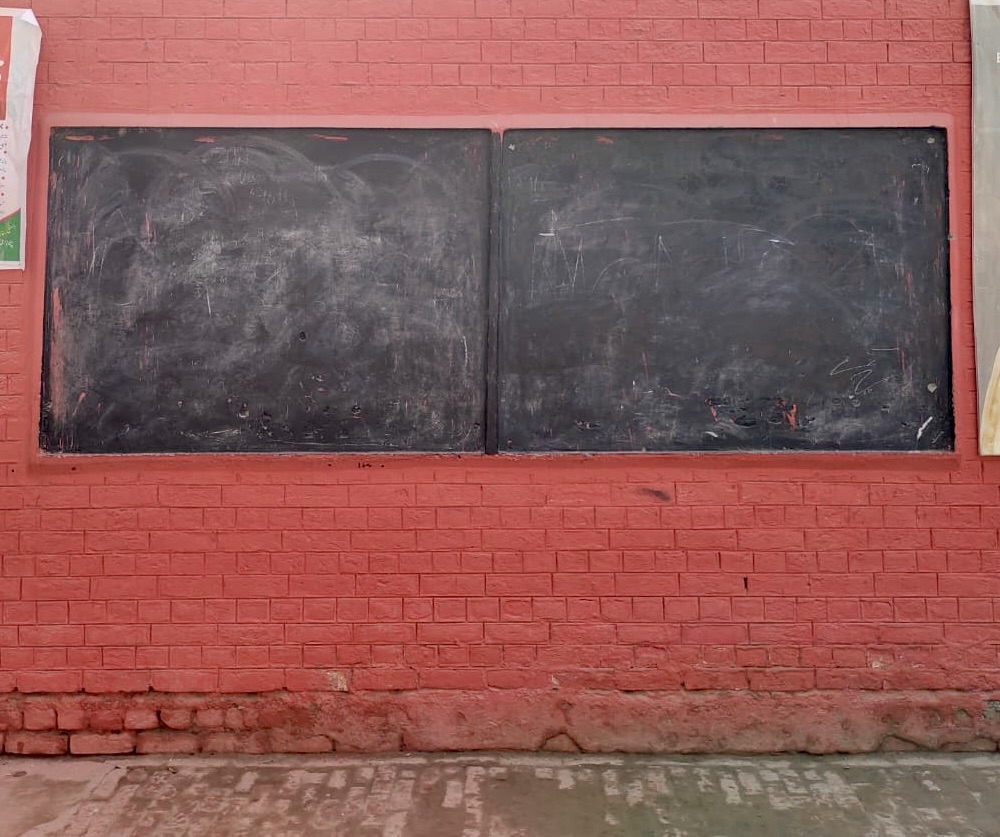
MAKING MY PEACE … with indifference
… emotionally flatlining …
There is a strange quiet in the emotional room when indifference walks in. It’s not the slam of anger, not the ache of sadness, not even the stretch of numbness that comes with burnout. It’s something flatter. Quieter. Blander.
Lately, I’ve found myself brushing up against indifference. Not the kind of indifference toward everything, not all the time, but enough to notice. Enough to want to ask: “What is this emotion, really? And why does it feel like both a shield and a hollow echo?”
Indifference is often described as a lack of interest, a lack of enthusiasm, or a lack of concern. It’s the absence of care where once there was feeling. A kind of emotional flatline. But indifference is still a state of emotion, and like all emotional states, it is about something underneath. Sometimes, it’s self-protection: “If I care less, I hurt less.” Sometimes, it’s a pause: “I just can’t afford to feel this right now.” And sometimes, it’s a symptom of disconnection, depression, or a slow feeling of disillusionment.
Indifference can be misunderstood.
In teenagers, it’s often framed as a phase of withdrawal or rebellion. “They don’t care about anything,” adults often say. But they do care – deeply. They just don’t have the language or courage yet to admit how much. Indifference, in this sense, is a mask for vulnerability.
In adulthood, it can signal something else. Like overstimulation, where too much input has numbed the brain of emotions. Or it is like protective detachment, where, in some environments, expressing strong feelings doesn’t feel safe. It might be linked to depression, where everything feels flattened. Pain feels flattened, but so too does joy. People feel numb to joy.
In some ways, indifference is a response to emotional exhaustion, a quiet way of expressing that the emotional load is getting too much to bear.
In society, is indifference increasing? Maybe. In an age where we’re constantly scrolling through images of suffering, beauty, loss, joy, and outrage within a short period – like five minutes – emotions became saturated, overloaded. To feel everything, all the time, is impossible. The brain, to prevent a spillage of the overload, takes a course of action, such as detachment, or a position of neutrality as a buffer between the extremes.
In relationships, indifference can feel like apathy. However, often it is the fear of saying the wrong thing or not knowing how to reconnect. It’s not always a lack of emotion. Sometimes, it’s a lack of a safe space.
The danger is staying in a state of indifference for too long is that indifference, if left unchecked, can calcify into cynicism, loneliness, or emotional isolation.
How do we make peace with indifference?
Here’s what I’m learning, and what I try to remind myself when I experience the fog of indifference:
Name it without shame: It is okay to say, “I’m feeling indifferent right now.” It doesn’t make me bad, broken, or heartless.
Gently investigate feelings: Ask, “What am I avoiding? What would hurt if I allowed myself to care more?”
Re-introduce curiosity into the day: I don’t need to feel passionate about everything all the time. Sometimes, all I need is a walk, a poem, a different activity in my day to feel some emotion or spark of inspiration for my writing and other routines.
Rest without guilt: Maybe I’m indifferent because I’m tired, not just physically, but emotionally. In that case, rest is medicine.
Making my peace with indifference, I do the following:
- I don’t panic or force myself to feel something.
- I sit quietly, or I rest.
- I write out my thoughts or I write something completely random. Or doodle, or draw, or paint.
- I go for a walk, preferably in nature.
- I listen to music that moves me, that makes me feel something.
- I cook a meal.
- I clean my desk or some part of my apartment.
- I sew, or darn, or repair, or stitch on a new button.
- I write a letter or postcard to a friend, or an email, not about anything emotional, but to keep in touch, to re-connect.
- I try to remember that indifference is not the end of emotion, but a temporary place to give my brain a rest before I become curious again.
- I stay curious about life.


Leave a Reply