
MAKING MY PEACE … with lessons from solitary animals
… being solitary is not being anti-social, asocial …
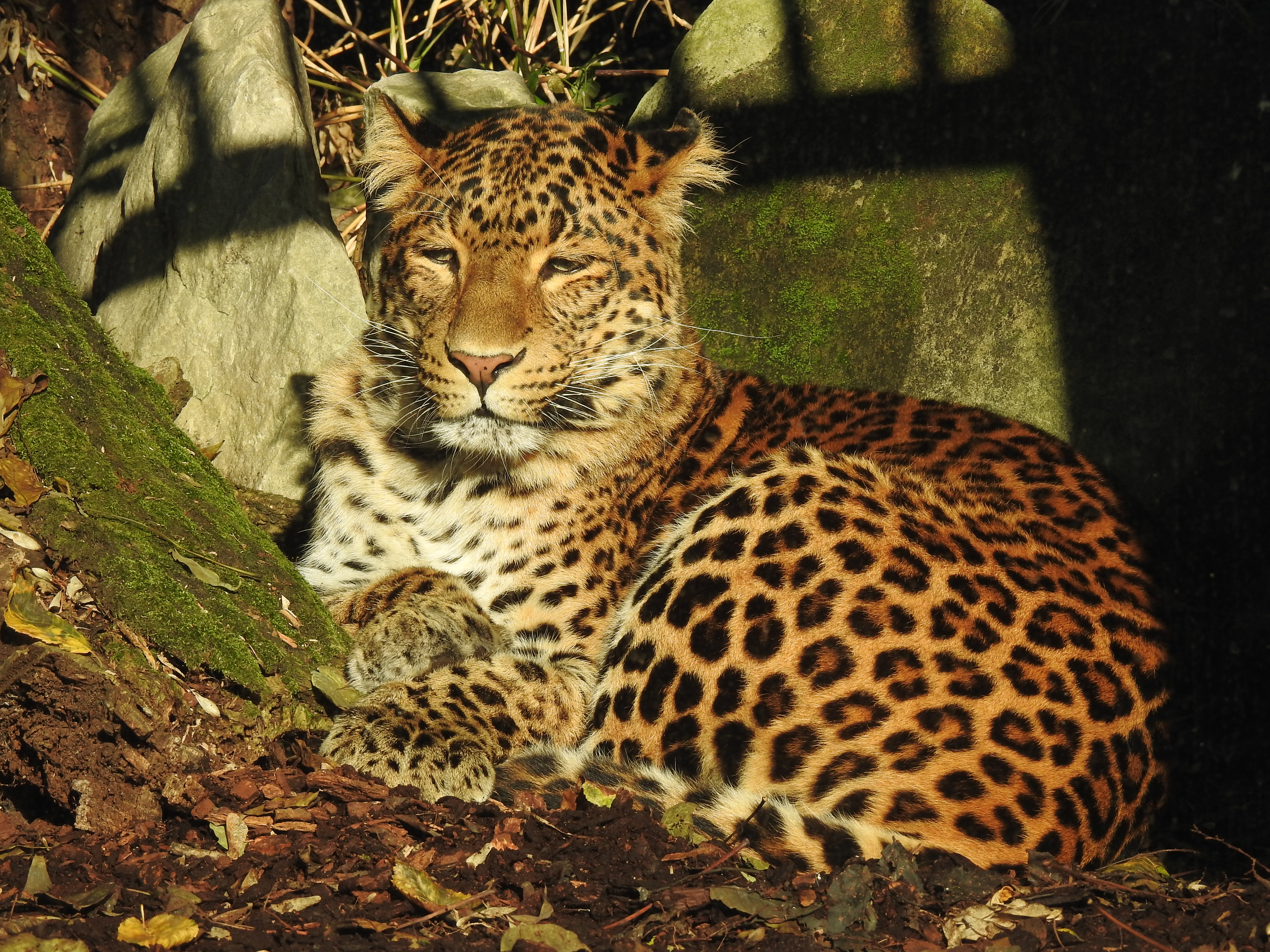
Not all creatures are meant to live in groups and neither are all people. In the animal world, some species move together in packs, colonies, or herds, while others walk alone. These solitary animals, like the snow leopard, platypus, polar bear, or Hawaiian monk seal, live largely alone, not because they are antisocial, but because their way of being is different.
Recent 2024 research about solitary animals shows that most primate species are really partially solitary because they may hunt and eat alone but share their home range in pairs or groups.
Solitary animals aren’t necessarily antisocial. Scientists have found that many of them maintain social networks, interact at specific times, and even cooperate when needed, yet they live alone most of the time. Some animals, like certain bears or pumas, are known to share food, gather at seasonal places, or coexist peacefully during specific life stages.
Some animals forage alone but sleep near others. Some live in the same area but have staggered routines. Others are “hyper-solitary” like one species of mole rat that fiercely defends its territory. Still others, like the bush Karoo rat, are mostly solitary but maintain familial bonds after the breeding season.
This discovery spoke to something I’ve been learning myself: solitude doesn’t mean disconnection. Being solitary isn’t better or worse than being social, it’s just another path, a quieter one, sometimes for a short time and sometimes longer.
This range of animal solitude resonates with how different our own human solitude can be. Some of us live alone but enjoy deep connections with a few people. Others need stretches of solitude to recharge. Some may avoid social life entirely for a time, not out of fear or trauma, but out of a quiet joy in their own company.
The truth is: solitude is not a problem to fix. It’s a way of being that can be deeply healthy, protective, and even joyful.
As someone who values reflection, I often find myself in quiet spaces. But I used to question it: should I be more social? Should I push myself to join more groups, speak more, do more?
Learning from solitary animals helped me shift that thinking. Just as small mammals are safer when they are alone — less likely to attract predators — I began to understand that solitude can offer clarity, restoration, and resilience. It’s not absence. It’s presence of a different kind.
And just like solitary animals who maintain unseen connections, through scent, sound, or rare meetings, I too maintain deep, although quiet, relationships with those I care about.
If you’re someone who values time alone, or wants to become more comfortable with it, know that solitude is not an escape from life. It is life, lived differently. Solitary animals remind us that there are many ways to belong in this world. Some of us just move to quieter rhythms.
Making my peace with lessons from solitary animals, I do the following, inspired by the animal kingdom:
- Appreciate my rhythm: Some animals are active at night, some at dawn. I lean into the time of day that feels most like me.
- Build hidden social webs: Like the bears and pumas, I have a few strong, rare, meaningful connections that sustain me. I don’t need many.
- Make my space beautiful: My home, nest, burrow, den, lair is my safe space, where I can recharge. I let it reflect who I am.
- Let solitude be my reflective time: I ask myself, what comes up in silence – what ideas, dreams, or insights? Perhaps I’ll journal them.
***
Rainy Day Healing blogs: “This kind of quiet, honest reflection is exactly what makes Rainy Day Healing such a special space.” Chaz. T., USA


Leave a Reply