
MAKING MY PEACE … with mindful strolling in nature in Paris
… a call to walk in nature and let the mind quiet itself …
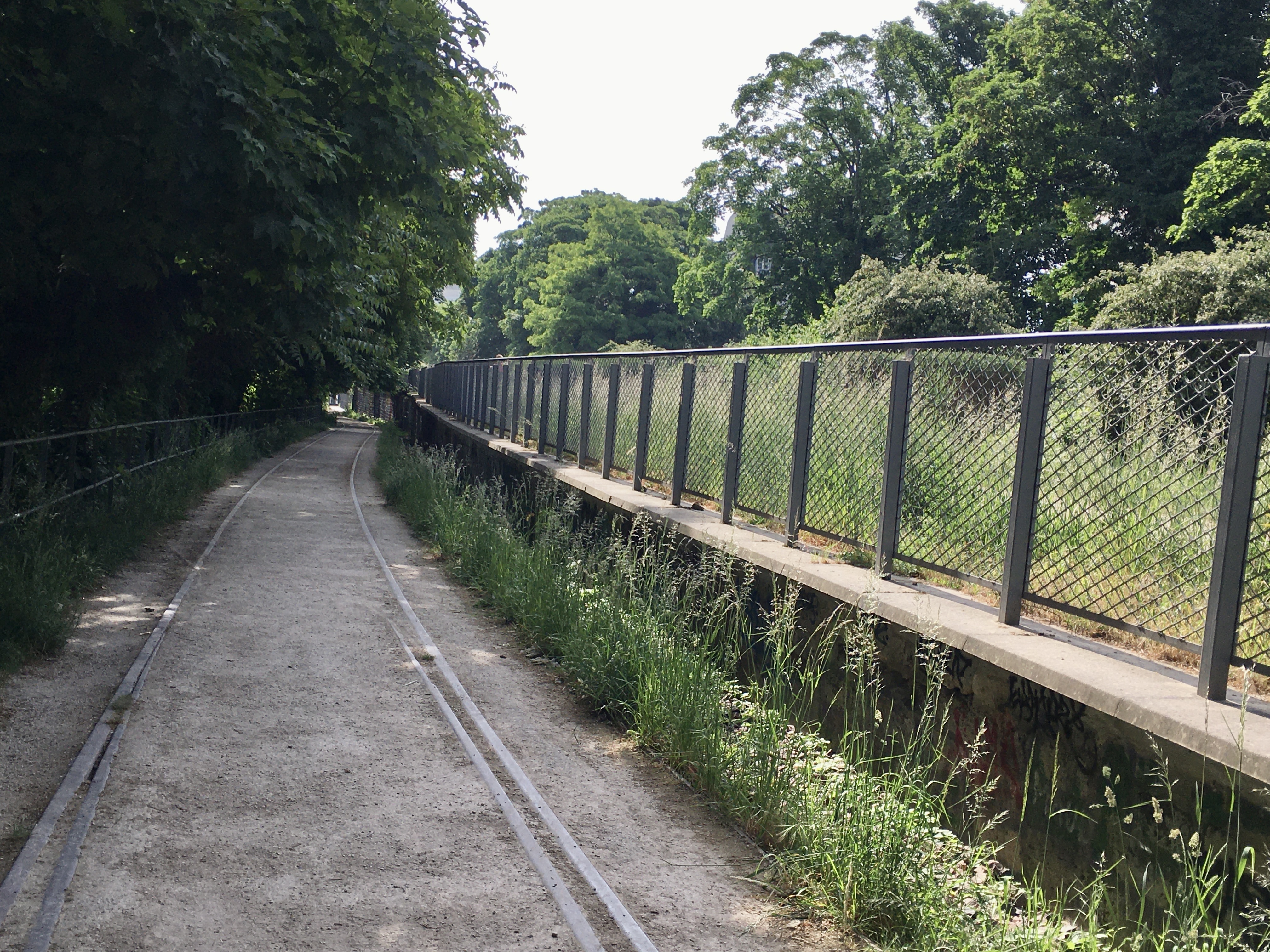
This morning, I slipped away from the hum of the 15th arrondissement and followed a trail not far from home: the Petite Ceinture or PC15, Paris’s hidden railway-turned-walking path. The birds were busy, the trees were thick with green light, and for a moment, the city disappeared beneath the hum of bees and the quiet crunch of gravel underfoot.
It’s easy to forget how close nature lives to us, even in a city of seven million people. Sometimes all it takes is a left turn and a willingness to go looking for a little greenness, a little verdure.
Modern life is noisy. Our devices vibrate, our inboxes overflow, and our thoughts race from task to task. Nature doesn’t rush. It whispers, waits, and welcomes.
Research confirms what the soul has always known:
– Time in nature reduces cortisol, the stress hormone.
– Walking mindfully improves mood and sleep.
– Natural scenery can lower heart rate and blood pressure.
– Green spaces support creativity, empathy, and resilience.
When we walk among trees, or even just weeds growing through cracks, we start to remember ourselves again – who we are without the noise.
If your mind feels cluttered, if your heart is weary, or if you just need a little soft air on your skin, go for a walk. Start close. Start local. Even a 15-minute wander through a hidden patch of green can shift everything. You might not solve your problems but you might remember that you are not alone in carrying them.
Making my peace with mindful strolling in nature in Paris, I do the following:
Bird Watching
I pause to listen and look for birds, such as robins, blackbirds, and even the common sparrow. I also love spotting tiny birdhouses (like the one tucked into a tree this morning). It feels like a sign that someone, somewhere, is taking care of the birds.
Following Light Through Leaves
I look up. Sunlight flickering through branches is a kind of therapy. It feels like poetry in motion. I let the patterns soothe my eyes and slow my thoughts.
Touching Texture
I brush my fingers along bark, ivy, or old metal railings. It brings me back to my senses, and back to the moment. Nothing fancy. Just presence.
Listening to Footsteps and Wind
Instead of letting my mind spiral, I tune into rhythm, like the crunch of my steps on the gravel, the wind in the leaves, the buzz of a bee. It’s my walking meditation, and it often works better for me than sitting still.
Naming What I’m Grateful For
Quietly, as I walk, I name what I’m grateful for: a good sleep, a smile from a stranger, a book waiting to be read. This simple act resets my perspective.
(Photos by me, from this morning’s walk)
***
Rainy Day Healing blogs: “This kind of quiet, honest reflection is exactly what makes Rainy Day Healing such a special space.” Chaz. T., USA


In a world of sensory overload, Tranquility Mapping offers a creative way to reconnect with peace and calm, and recreate restorative spaces. Whether you’re seeking stillness in a busy home, serenity in a classroom, or relief in a hectic office, this guide gives you the tools to map and reshape your environment to support your well-being. Whether you have a garden, one room or an entire building to work with, this guide helps you transform your everyday spaces into sanctuaries of stillness.
Includes: Tranquility Mapping templates and examples (for home, classroom, school, and office); A Tranquility Toolkit checklist (sound, scent, sight, and texture tools); A teacher’s guide to mapping calm with students; A list of workshop questions and techniques for working with groups; Real-life inspiration based on research on peace and tranquility.
Ideal for: Anyone seeking a sensory-friendly space and a place of quietude; Teachers and educators designing calm corners for students in classrooms and learning spaces; Families, parents, and caregivers wanting to create calm for children, seniors, and all members; Therapists, coaches, and wellness professionals; and Human resource personnel, office planners, and office workers reclaiming restorative spaces.
Map your way back to tranquility. Map emotional geography in real life. Feel the benefits of restorative spaces. If you have a notebook, blank paper, pencils, crayons or highlighters, and optional stickers and sticky notes, you can begin. You don’t have to wait for peace to find you. You can find it, design it, and return to it anytime. You can design the tranquility you want to feel.


Leave a Reply