
MAKING MY PEACE … with the hidden crisis in mental health: burnout
… the importance of support for burnout in the mental health of early-career researchers …
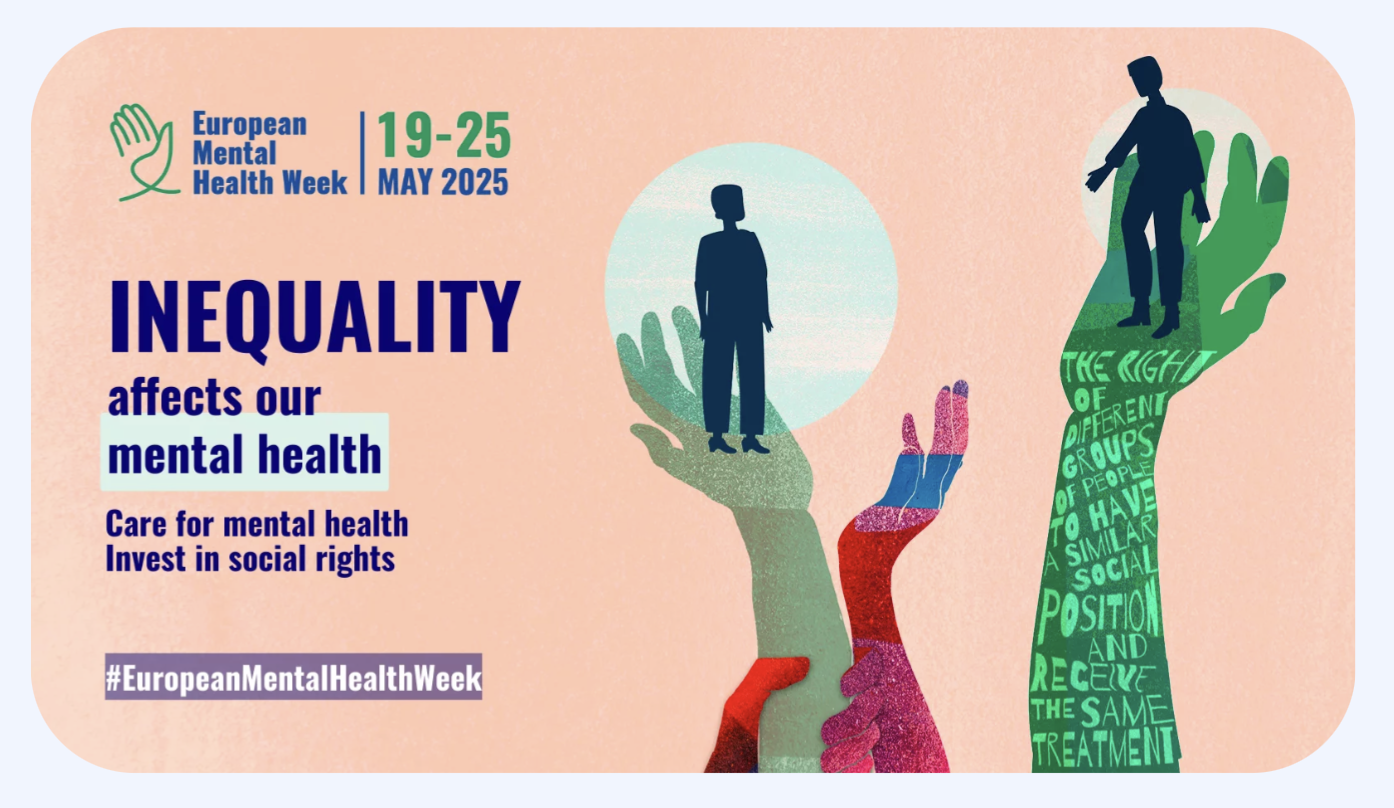
Following the UK’s focus on “Community” during Mental Health Awareness Week from 12-18 May, the European Mental Health Week (19–25 May) shifts the spotlight to the broader societal structures influencing mental wellbeing in their 2025 theme “Care for Mental Health, Invest in Social Rights.”
Organized by Mental Health Europe, this year’s theme emphasizes the intrinsic link between mental health and social rights. It calls for a move beyond individual-centric approaches, urging policymakers and communities to address systemic factors like poverty, inequality, and access to essential services.
Another spotlight is on a hidden crisis: the mental health of early-career researchers.
Amidst the broader discussions, one pressing, yet underrepresented, issue stands out: the mental health challenges faced by early-career researchers, says Mental Health Europe.
A session called “Brilliant but Burned Out: Mental Health, Precarity, and the Future of Research” during European Mental Health Week highlights the escalating concerns. Mental Health Europe states that many PhD candidates and postdoctoral researchers grapple with high levels of stress, anxiety, and depression, often stemming from job insecurity, intense competition, and isolation. These challenges not only affect individual wellbeing but also have broader implications for the future of research and innovation.
Addressing these issues requires systemic changes, such as policy reforms (such as implementing fair employment practices and providing mental health resources within academic institutions); community building to foster supportive networks among researchers to combat isolation; and awareness campaigns highlighting the unique challenges faced by early-career researchers to drive institutional change.
European Mental Health Week 2025 is a call to action for all of us to advocate, educate, and engage.
Making my peace with the hidden crisis in mental health: burnout, I will do the following:
- Advocate: support policies that address systemic issues affecting mental health.
- Educate: Raise awareness about underrepresented mental health challenges.
- Engage: Participate in events and discussions to drive meaningful change.
- Focus on the intersection of mental health and social rights for a more holistic approach to wellbeing for all.
- Support European Mental Health Awareness Week 2025.
***
Rainy Day Healing blogs: “This kind of quiet, honest reflection is exactly what makes Rainy Day Healing such a special space.” Chaz. T., USA


In a world of sensory overload, Tranquility Mapping offers a gentle, creative way to reconnect with peace and calm, and recreate restorative spaces. Whether you’re seeking stillness in a busy home, serenity in a classroom, or relief in a hectic office, this guide gives you the tools to map and reshape your environment to support your well-being. Whether you have a garden, one room or an entire building to work with, this guide helps you transform your everyday spaces into sanctuaries of stillness.
Includes: Tranquility Mapping templates and examples (for home, classroom, school, and office); A Tranquility Toolkit checklist (sound, scent, sight, and texture tools); A teacher’s guide to mapping calm with students; A list of workshop questions and techniques for working with groups; Real-life inspiration based on research on peace and tranquility.
Ideal for: Anyone seeking a sensory-friendly space and a place of quietude; Teachers and educators designing calm corners for students in classrooms and learning spaces; Families, parents, and caregivers wanting to create calm for children, seniors, and all members; Therapists, coaches, and wellness professionals; Human resource personnel, office planners, and office workers reclaiming restorative spaces.
Map your way back to tranquility. Map emotional geography in real life. Feel the benefits of restorative spaces. If you have a notebook, blank paper, pencils, crayons or highlighters, and optional stickers and sticky notes, you can begin. You don’t have to wait for peace to find you. You can find it, design it, and return to it anytime. You can design the tranquility you want to feel.


Leave a Reply