
MAKING MY PEACE … with mythical creatures for healing
… imagination is the mind’s immune system …
Long before psychology and therapy for healing, we had storytelling and imagination. Every culture has their own mythical creatures in legend, myth, and folklore. Through myth, filled with gods, ghosts, monsters, heroes, dragons, werewolves, selkies, jinns, firebirds, and shapeshifters, humans explored emotion, fear, and transformation.
Myth remains a way to reconnect with imagination and healing. At Rainy Day Healing, this intersection of creativity and wellbeing is inspired by Ziggy Quinete’s books on the Encyclopedia of Mythical Creatures: A Global Journey Through Legends and Imagination, in which I explore how to use mythic imagination for emotional renewal and self-understanding.
Myth has endured time because it is an expression of truths through symbols and archetypes that logic alone cannot explain. When we engage with myth, we externalize inner conflict. The dragon, for example, can become the embodiment of anger, grief, fear, or magic and mystery, giving it a shape that we can face rather than suppress.
We also rediscover our creativity and build emotional resilience through myth. Imagining or retelling a myth helps us activate curiosity and creativity, proven to lower stress and improve cognitive flexibility. Every myth contains a journey, such as a descent, challenge, and rebirth, showing us that transformation occurs during even the darkest times of our lives.
Engaging with myth isn’t escapism. It’s a return to, or a remembering of, the stories of our ancestors. Imagination is not childish indulgence; it is the mind’s immune system. When we imagine, we rehearse resilience, visualize hope, and invent meaning.
Research shows that imaginative activity, from storytelling to daydreaming, increases dopamine and decreases anxiety by creating mental space for possibility. In creative healing work, imagination becomes an emotional safety net. It is a way to see life differently.
Each mythical creature from past legends, and each new mythical creature that we create, carries a piece of the human psyche, such as courage, curiosity, grief, transformation, and so on. By reflecting through myth, we learn to approach our emotions with creativity rather than judgement.
The myths we love most are never really about gods and monsters. They’re about us. When we listen closely to the storytelling, we find echoes of our own journey in every legend. Through imagination, reflection, and storytelling, we can imagine the creatures of myth as companions for healing. Each one shows us that transformation is always possible.
So, when you feel as if you are losing ground in life, invite a legend into your imagination for healing. Write, draw, imagine. Let a mythical creature remind you that challenges are not endings; they are transformations. As Ziggy Quinete writes, “Mythical creatures are our mirrors — reflections of wonder, terror, and transformation.”
Healing occurs through:
Identifying and naming our “inner mythical creature” helps us claim forgotten strengths or acknowledge emotions waiting to be expressed.
Seeing both, or many, sides of a mythical creature (such as negative and positive, shadow and light, etc.) mirrors the way we see the different facets of ourselves. The goal is not to tame the shadow but to understand its purpose.
Creating a new myth and a new mythical creature is symbolic storytelling, where we become the author of our emotional narrative, rather than a passive character in it.
***
Making my peace with mythical creatures for healing, I turn myth into mindfulness through the following reflection exercises:
Identify my inner mythical creature by asking myself: Which mythical being do I identify with today: dragon, phoenix, mermaid, centaur? What part of my life feels like it mirrors the mythical creature’s story?
See shadow and light by choosing a mythical creature and writing what it symbolizes about transformation in my own life. Many mythical beings have dual sides, so I think of Medusa who was both feared and wronged, or the werewolf caught between wildness and restraint. What would healing look like if I stopped trying to “slay” the shadow part of me? (Remember: the goal is not to tame the shadow but to understand its purpose.)
Invent a new legend by combining two myths and mythical creatures, I create my own short myth. I blend imagination with self-discovery — perhaps a Celtic selkie who befriends a Japanese kitsune, or an African river spirit who teaches a Norse giant about the tides. What happens when the two mythical creatures meet? What challenge do they overcome together?What lessons do they teach me?
A complete workbook is available to explore this form of healing: Mythical Creatures for Soul Discovery: A 10 Step Workbook for Self-Understanding through Myth, Imagination, and Storytelling by Martina A Nicolls.

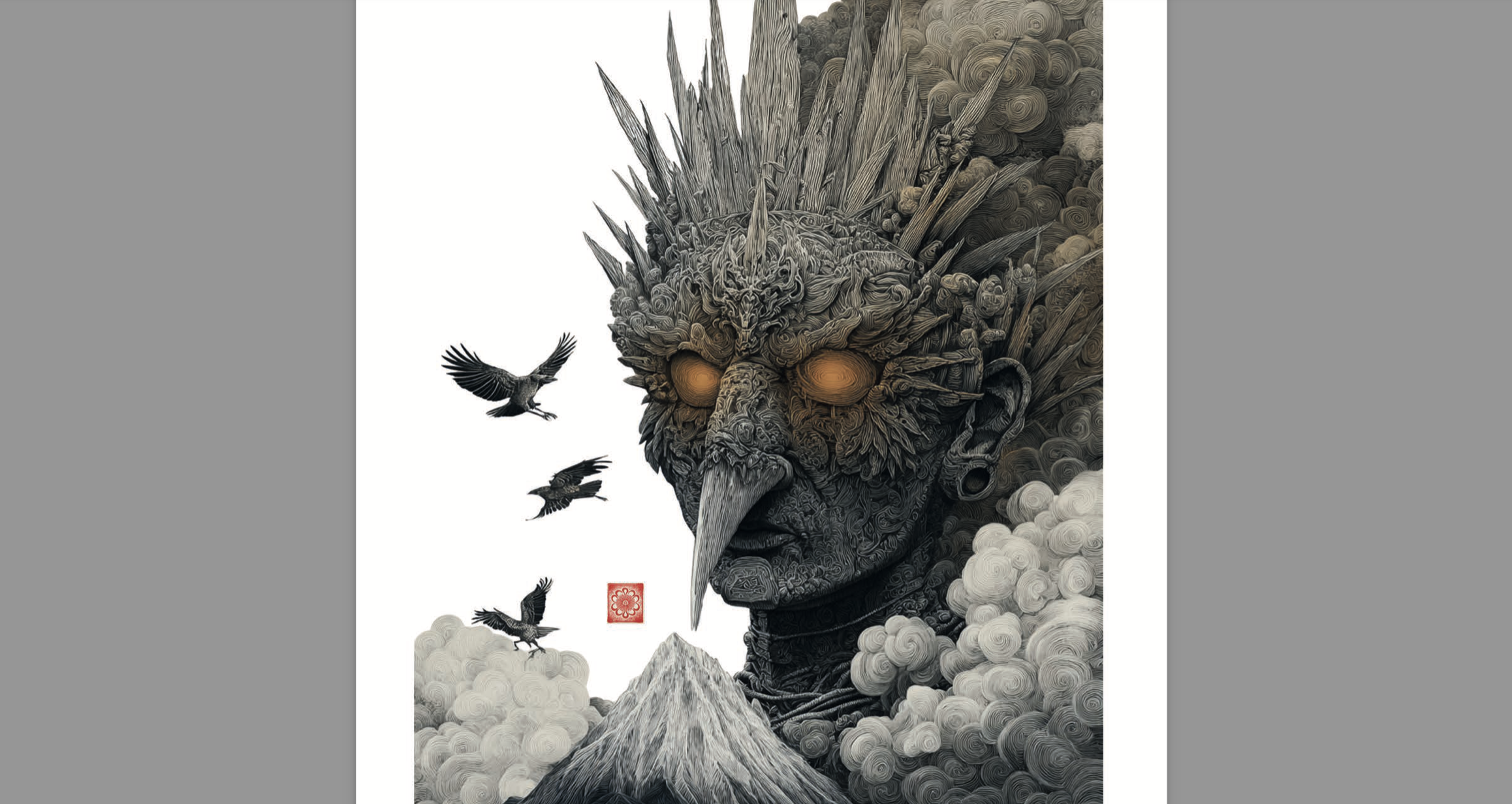
All illustrations in this post are from Ziggy Quinete’s 2025 book Encyclopedia of Mythical Creatures: Mesoamerican, South and North American Mythology.


All illustrations in this post are from Ziggy Quinete’s 2025 book Encyclopedia of Mythical Creatures: Mesoamerican, South and North American Mythology.
***
Rainy Day Healing blogs: “This kind of quiet, honest reflection is exactly what makes Rainy Day Healing such a special space.” Chaz. T., USA

In a world of sensory overload, Tranquility Mapping offers a gentle, creative way to reconnect with peace and calm, and recreate restorative spaces. Whether you’re seeking stillness in a busy home, serenity in a classroom, or relief in a hectic office, this guide gives you the tools to map and reshape your environment to support your well-being. Whether you have a garden, one room or an entire building to work with, this guide helps you transform your everyday spaces into sanctuaries of stillness.
Includes: Tranquility Mapping templates and examples (for home, classroom, school, and office); A Tranquility Toolkit checklist (sound, scent, sight, and texture tools); A teacher’s guide to mapping calm with students; A list of workshop questions and techniques for working with groups; Real-life inspiration based on research on peace and tranquility.
Ideal for: Anyone seeking a sensory-friendly space and a place of quietude; Teachers and educators designing calm corners for students in classrooms and learning spaces; Families, parents, and caregivers wanting to create calm for children, seniors, and all members; Therapists, coaches, and wellness professionals; Human resource personnel, office planners, and office workers reclaiming restorative spaces.
Map your way back to tranquility. Map emotional geography in real life. Feel the benefits of restorative spaces. If you have a notebook, blank paper, pencils, crayons or highlighters, and optional stickers and sticky notes, you can begin. You don’t have to wait for peace to find you. You can find it, design it, and return to it anytime. You can design the tranquility you want to feel.

Leave a Reply