
MAKING MY PEACE … with beating burnout
… back to joy by re-balancing work and life …
Burnout isn’t just tiredness or exhaustion. It’s a slow erosion of personal spark, clarity, and joy. Kamal Pathak’s Beat the Burnout Trap (2024) reminds us that healing doesn’t begin with massive changes, but with small, kind ones.
He provides quick and practical tips to beat burnout, such as to breath slowly before tasks (even before checking emails), to take micro-breaks (5 minutes to go outside or to rest), to hydrate the body, to practice “low-stimulus mornings” by avoiding phone scrolling or multi-tasking for the first 20 minutes after waking, and to say “no” to at least one unplanned requested task per day.
One paragraph that resonated with me was: “Burnout doesn’t happen overnight. Escaping it doesn’t either. It’s about knowing when to pull back, re-evaluate, and realign.”
Making my peace with beating burnout, I do the following:
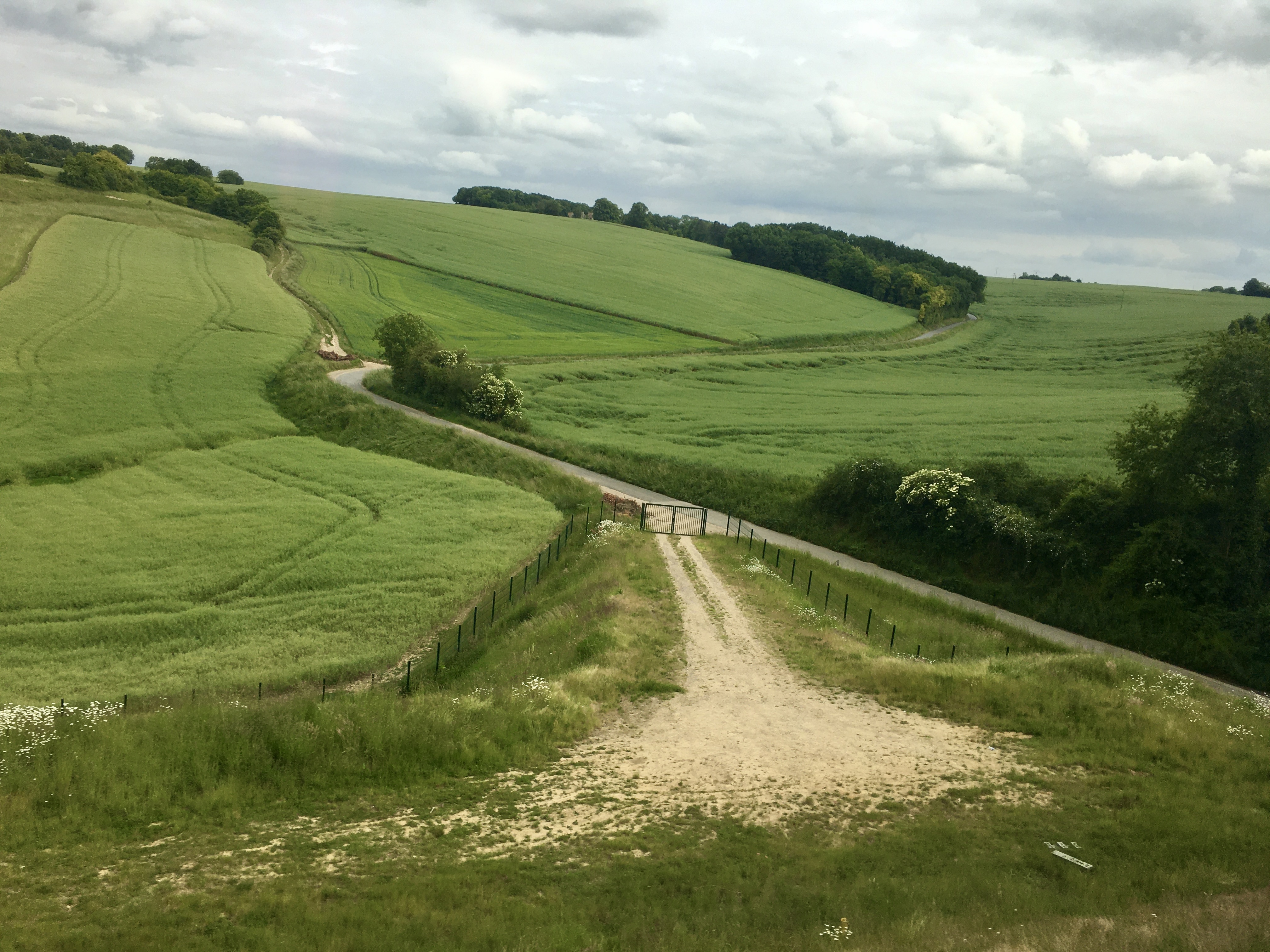
- Walk slowly in nature, even just around the block, to breath and pay attention to birds, trees, plants, clouds, sky – anything except work.
- Take a digital detox day per week to reduce my time on digital devices.
- Return to my 30-minute watercolour drawings once a day to sketch anything that comes to mind.
- Read a daily poem in the book 365 Poems for Life: An Uplifting Collection for Every Day of the Year compiled by Allie Esiri (2023).
- Make my ritual cup of herbal tea and imbue the aroma with every sip.
- Write in my journal in the evening to “finish” the workday and work thoughts, even if it is only one sentence.
***
Rainy Day Healing blogs: “This kind of quiet, honest reflection is exactly what makes Rainy Day Healing such a special space.” Chaz. T., USA


In a world of sensory overload, Tranquility Mapping offers a gentle, creative way to reconnect with peace and calm, and recreate restorative spaces. Whether you’re seeking stillness in a busy home, serenity in a classroom, or relief in a hectic office, this guide gives you the tools to map and reshape your environment to support your well-being. Whether you have a garden, one room or an entire building to work with, this guide helps you transform your everyday spaces into sanctuaries of stillness.
Includes: Tranquility Mapping templates and examples (for home, classroom, school, and office); A Tranquility Toolkit checklist (sound, scent, sight, and texture tools); A teacher’s guide to mapping calm with students; A list of workshop questions and techniques for working with groups; Real-life inspiration based on research on peace and tranquility.
Ideal for: Anyone seeking a sensory-friendly space and a place of quietude; Teachers and educators designing calm corners for students in classrooms and learning spaces; Families, parents, and caregivers wanting to create calm for children, seniors, and all members; Therapists, coaches, and wellness professionals; Human resource personnel, office planners, and office workers reclaiming restorative spaces.
Map your way back to tranquility. Map emotional geography in real life. Feel the benefits of restorative spaces. If you have a notebook, blank paper, pencils, crayons or highlighters, and optional stickers and sticky notes, you can begin. You don’t have to wait for peace to find you. You can find it, design it, and return to it anytime. You can design the tranquility you want to feel.

Leave a Reply